 0
0
 0
0
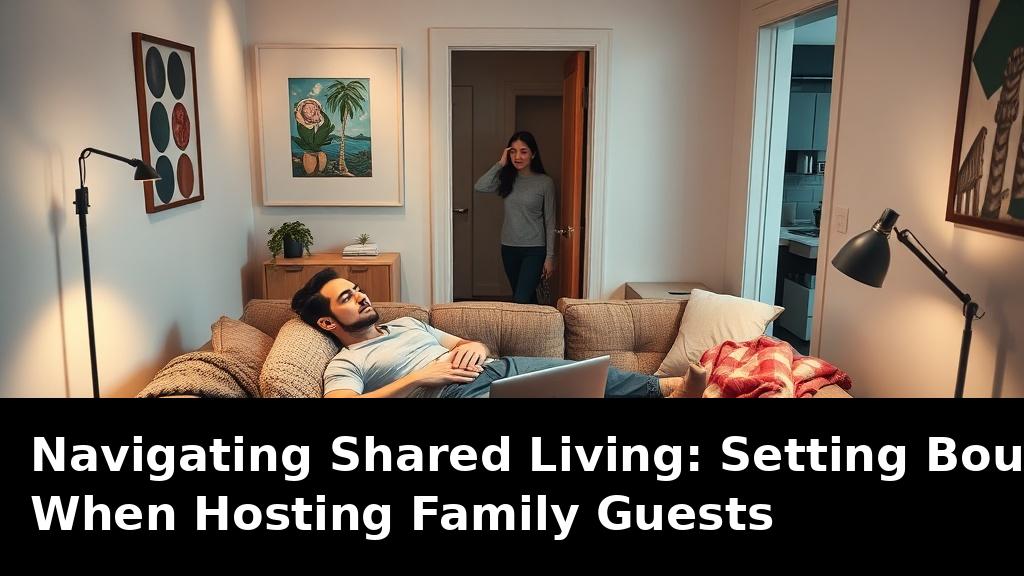
In contemporary urban living, hosting family members often requires careful negotiation of personal space and mutual expectations. A recent domestic disagreement highlights the tension between offering hospitality and maintaining one’s own routines within a limited flat environment. The host expresses reluctance to retire early due to the guest’s extended presence in the central living area, while the visitor argues that extending the invitation implies acceptance of such arrangements.
This situation underscores the importance of clear communication prior to any extended stay. When a sofabed is offered, both parties benefit from discussing schedules, usage of common areas, and any limitations that may arise from work or rest requirements. Without these conversations, assumptions can lead to friction that affects the overall relationship.
One relevant context is the increasing prevalence of remote work arrangements, which heighten the need for dedicated quiet zones even in small residences. Individuals working from home may find their productivity compromised when living areas double as guest accommodations for prolonged periods. Another consideration involves the psychological effects of prolonged shared occupancy; studies in environmental psychology suggest that perceived loss of control over one’s immediate surroundings can elevate stress levels, particularly in compact dwellings where separation of spaces is minimal.
Practical steps include establishing time blocks for exclusive use of the living room or exploring temporary alternatives such as external workspaces. Hosts might also evaluate the duration and frequency of visits in advance to prevent recurring conflicts. Guests, on their part, can demonstrate consideration by adapting to the household rhythm rather than assuming full access.
Ultimately, successful cohabitation during visits depends on recognizing that hospitality has limits defined by the host’s daily needs. Both individuals stand to gain from proactive dialogue that respects the realities of shared modern flats.